
If you're wondering what May garden tasks you should prioritize for your northwest gardens in May, here's the short answer: focus on planting heat-loving veggies, deadheading early bloomers, and avoiding common watering mistakes. I've been gardening in the Pacific Northwest for over a decade, and I know firsthand how tricky this month can be. One year, I planted my tomatoes too early when the soil was still cold, and they sat there sulking for weeks — a mistake I only made once. May is when we really get to work, but it's also when small errors can waste your whole season. So let me walk you through what you need to do, what to avoid, and how to keep your garden thriving through all the ups and downs of our unpredictable spring weather.
E.g. :5 Ways to Help Wildlife With Your Leftover Pumpkins
- 1、May Garden Tasks for the Northwest
- 2、May Gardening To-Do List
- 3、Common May Gardening Mistakes to Avoid
- 4、Smart Watering Tips for May Gardens
- 5、Pest Control in the Northwest May Garden
- 6、Lawn Care Tips for the Northwest in May
- 7、Container Gardening Ideas for May
- 8、FAQs
May Garden Tasks for the Northwest
Planting Heat-Loving Vegetables
So, you've waited for the soil to warm up. Now it's time to get those heat-loving veggies like peppers and tomatoes in the ground. Don't rush this step — cold soil can stunt their growth badly. I always check the 10-day forecast before I start planting.
I remember one year when I got too excited and put my tomato transplants in the garden during the first week of May. A cold snap hit the next night, and the temperature dropped to 45°F. I spent the whole night scrambling to cover them with old sheets and plastic containers. Despite my efforts, two of the plants never recovered. They just sat there, looking sad and yellow, while the ones I planted two weeks later thrived. That experience taught me never to ignore the nighttime temperature when planning my northwest gardens in May. You need to make sure temps stay above 50°F at night for at least a week before you move hardened-off transplants outside permanently. Hardening off isn't just a suggestion — it's a critical step. I start by setting my plants outside for two hours in the shade, then gradually increase the time over seven to ten days. This process reduces transplant shock and helps the plants adjust to wind, sunlight, and temperature changes. If you skip it, you're basically throwing your plants into a stressful situation they aren't ready for. Trust me, I've seen the difference firsthand. My neighbors planted their peppers the same day as I did one year, but they didn't harden them off. Their plants wilted for weeks, while mine took off almost immediately. So take the time to do it right — your May garden tasks will be more rewarding when your harvest is abundant.
Caring for Early Bloomers
Don't forget to deadhead your azaleas and rhododendrons once they finish blooming. It's a quick task that keeps the plant looking clean and healthy. I usually do this on a lazy Sunday afternoon with a pair of pruning shears.
Deadheading those spent blossoms isn't just for appearances — it actually preserves the plant's energy. Instead of putting effort into making seeds, the plant can focus on growing new leaves and roots. I've noticed that my rhododendrons produce more flowers the following year when I deadhead them consistently. For northwest gardens in May, this is one of those May garden tasks that doesn't take long but makes a big difference. I go around each plant and snap off the flower clusters right at the base where they meet the stem. Be careful not to damage the new buds underneath — those are the future blooms. If you have a lot of azaleas, you can even use your fingers to pinch off the spent flowers. It's a bit messy, but it works. I also like to check for any signs of disease while I'm at it. Deadheading also helps prevent fungal infections that can spread through decaying petals. One year, I skipped this step on a large rhododendron, and it developed a case of petal blight that spread to the leaves. The plant looked terrible for the rest of the summer. So now I make it a priority. It's a simple task that keeps your northwest gardens in May looking tidy and thriving.
May Gardening To-Do List
 Photos provided by pixabay
Planting Summer Annuals and Perennials
May is perfect for planting colorful annuals like petunias and impatiens. You can also add perennials like clematis vines to your garden. I always look forward to this part of the May gardening season.
I head to the local nursery in early May to pick up a mix of annuals and perennials. Petunias are great for borders, and impatiens work well in shady spots. Coleus adds a pop of color to any corner of your garden. For perennials, clematis is a favorite of mine. It's just coming out of dormancy now, so planting it in May gives it a full season to establish. Choosing the right spot is crucial for clematis — it needs good drainage and some afternoon shade if you're in a hotter area. I plant the crown about 2 to 3 inches below the soil surface to protect it from cold damage next winter. I've planted a few along my fence, and they come back stronger every year. When it comes to northwest gardens in May, you also want to consider the soil temperature. I use a soil thermometer to make sure it's at least 60°F before planting tender annuals. Planting in cold soil can lead to root rot and stunted growth, so it's worth the extra check. I also add a layer of organic mulch around the new plants. This helps retain moisture and keeps the soil cool as the temperatures rise. One of my May garden tasks is to visit the nursery weekly because new shipments of perennials arrive all month. I scored a beautiful clematis 'Jackmanii' last year, and it bloomed profusely from July to September. So don't wait until June — get your annuals and perennials in the ground now while the weather is just right.
Harvesting Rhubarb and Other Spring Crops
Your rhubarb should be ready by now. Time to make that first strawberry rhubarb pie of the season. I can almost taste it just thinking about it.
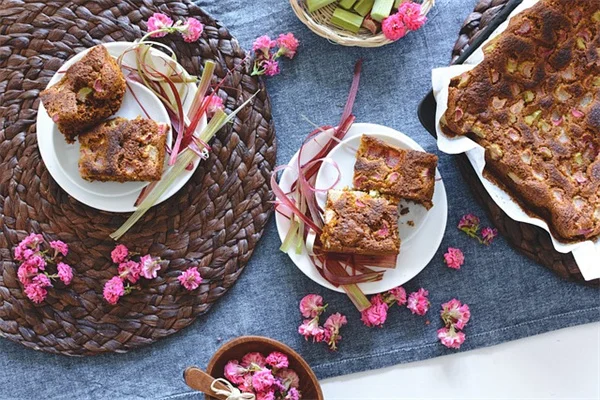
Harvesting rhubarb the right way makes a big difference in the plant's long-term health. Don't cut the stalks with a knife — that invites rot and disease. Instead, grasp the stalk near the base and twist it gently until it pulls free. I do this every couple of weeks in May. Only take about a third of the stalks at a time so the plant keeps producing. The leaves are toxic, so I compost them separately or discard them where pets can't reach them. Rhubarb is a tough plant, but it rewards you with fresh stalks for pies, crisps, and even jams. If you haven't planted any yet, May is actually a great time to start for northwest gardens in May. Get a bare-root crown from a nursery and plant it in a sunny spot with rich, well-draining soil. You'll have a harvest in a year or two. Rhubarb is a perennial, so it will come back for decades if you take care of it. I've had a patch in my garden for over eight years, and it still produces beautifully. Another spring crop to check is your asparagus. If you have established plants, harvest the spears when they're about 6 to 8 inches tall. Stop harvesting by mid-June to let the plant build up energy for next year. These May garden tasks are simple but essential for a productive edible garden. I always make a note to harvest early in the morning when the stalks are crisp and full of moisture. It makes a difference in flavor and texture.
Common May Gardening Mistakes to Avoid
Planting Too Early or Too Late
Have you ever planted your tomatoes too early and regretted it? I sure have, and it's a mistake I only made once. The disappointment of watching your plants struggle is hard to forget.
Yes, I've been guilty of this myself. A few years back, I planted my peppers on the first warm weekend in May, and then a cold snap hit. The plants went into shock and never really recovered. They produced only a handful of tiny peppers that whole summer. That's why I always check the 10-day forecast before planting anything sensitive. If nights are still dipping below 50°F, wait. It's better to plant a bit later in May than to have to replant everything. Another common mistake is planting too late — I've seen people wait until June to get their veggies in the ground, and then the heat of summer stunts them. For northwest gardens in May, the window is usually from mid-May to early June. You also need to consider the soil temperature. I use a simple soil thermometer — it costs about $10 — and I wait until the soil hits at least 60°F for warm-season crops. Planting in cold soil slows down root development and invites pests like cutworms. I also make sure to harden off my transplants properly. That means exposing them to outdoor conditions gradually over a week. I set mine out for a few hours each day, starting in the shade and then moving to more sun. Skipping this step shocks the plants and slows their growth. So take your time — your garden will be more productive in the long run. One of my May garden tasks is to keep a garden journal. I note when I planted each crop and the weather conditions. That way, I can look back and adjust my timing next year. It's a small habit that saves me from repeating mistakes.
 Photos provided by pixabay
Planting Summer Annuals and Perennials
After your spring bulbs like tulips and daffodils finish blooming, don't cut back the leaves. Let them die back naturally. This is one of the most overlooked May garden tasks.
This is a common mistake that I see all the time in my neighborhood. People see the yellowing leaves and think it looks messy, so they cut them off. But those leaves are feeding the bulb for next year. If you cut them too early, the bulb doesn't get enough energy and may not bloom next spring. I know it's tempting to tidy up the garden, but patience is key here. I usually let the foliage yellow and wither on its own, which takes about six weeks. Meanwhile, I plant some annuals around the bulbs to hide the dying leaves. That way, the garden looks nice while the bulbs recharge. It's a bit of patience, but it pays off with a great show next spring. I've had daffodils come back for over a decade just by following this simple rule. For northwest gardens in May, the bulbs are in their peak energy absorption phase. I also add a light layer of compost or bulb fertilizer to the soil after the blooms fade. This gives the bulbs a boost for next season. Another tip is to avoid tying the leaves into knots. People do this to make them look neater, but it reduces the leaf surface area that can absorb sunlight. Just let them sprawl naturally. If the mess bothers you too much, plant some low-growing ground covers like creeping phlox around the bulbs. They'll cover up the dying foliage with their own flowers and leaves. These are May garden tasks that require a bit of foresight but save you a lot of disappointment next spring.
Overwatering or Underwatering
May weather can be unpredictable. Overwatering is just as bad as not watering enough, especially for new transplants. I've made both mistakes, and they're frustrating.
I've seen a lot of gardeners drown their plants in May. The soil is still cool, and too much water can lead to root rot. On the other hand, a dry spell can stress young plants. The key is to check the soil moisture before you water. I stick my finger about an inch into the soil. If it feels dry, I water deeply. If it's still moist, I wait a day. I water my vegetable garden early in the morning so the plants have time to dry off before night. That reduces the risk of fungal diseases. For containers, they dry out faster, so you might need to water daily. But don't just set a timer — check the soil first. Your plants will tell you what they need. For northwest gardens in May, the rain can be sporadic, so you need to be flexible. I use a rain gauge to track how much water the garden gets naturally. If we get a good inch of rain in a week, I skip watering entirely. Overwatering is especially harmful for plants like lavender and rosemary that prefer dry conditions. I killed a whole row of lavender one year by watering it too often. The roots rotted, and the plants turned brown. Now I group plants with similar water needs together. That way, I don't accidentally overwater my drought-tolerant plants while trying to keep my tomatoes happy. These are May garden tasks that require observation and adjustment. I also recommend using a soaker hose or drip irrigation system. They deliver water directly to the roots, reducing evaporation and keeping the leaves dry. This is one of the best investments you can make for your northwest gardens in May.
Smart Watering Tips for May Gardens
Checking Your Irrigation System
Are you watering your garden the right way? It's a question I ask myself every spring. Getting it wrong can waste water and harm your plants.
I always test my drip irrigation system in early May. I turn it on manually for about five minutes and walk through the garden to inspect each emitter. A few years ago, I found a leak that was wasting water on a patch of weeds. Fixing it saved me money and kept my garden healthier. Make sure the spray from your sprinklers isn't hitting the house or driveway. Adjust the heads so they water only the plants. If you have a timer, check the settings. May is a transition month — you might need to increase watering frequency as the weather warms up. I usually start with 15 minutes per zone, three times a week, and adjust from there. For northwest gardens in May, the weather is still mild, so you don't want to overwater. I also check for any clogs in the system. Dirt and debris can block emitters, causing some plants to get too little water while others get too much. Cleaning your system now saves you from dealing with stressed plants in July. I also look for any damaged tubing or connections. Mice and other critters sometimes chew through the drip lines over the winter. Patching them with a connector kit is easy and cheap. These are May garden tasks that take less than an hour but can save you hundreds of gallons of water over the summer. I keep a log of my irrigation settings and adjust them as the season progresses. It's a simple habit that makes a big difference.
 Photos provided by pixabay
Planting Summer Annuals and Perennials
Different plants need different amounts of water. Know your garden's needs to avoid wasting water or stressing your plants. I've learned this the hard way.
I've learned that watering isn't one-size-fits-all. Vegetables like tomatoes and peppers prefer deep, infrequent watering to encourage deep roots. Annual flowers in containers need more frequent watering because they dry out faster. Succulents and drought-tolerant plants like lavender barely need any water in May. I group plants with similar water needs together to make watering easier. For example, I put my tomatoes and basil in one bed and water them together. In another bed, I have rosemary and sage that need less water. This saves time and keeps everyone happy. Also, water at the base of the plants, not overhead. Wet leaves can lead to fungal diseases. I use a soaker hose or drip irrigation for best results. For northwest gardens in May, the soil is usually still moist from spring rains, so you might not need to water as much as you think. I check the soil moisture with a meter or just my finger. Overwatering in May is one of the most common mistakes I see. I also recommend mulching around your plants. A 2-inch layer of organic mulch like wood chips or straw helps retain moisture and keeps the soil cool. It also reduces weed growth, which competes with your plants for water. These are May garden tasks that require a bit of planning but pay off big time. I've found that my plants are healthier and more resilient when I water them correctly. And I save water, which is good for the environment and my wallet. So take the time to learn your plants' needs and adjust your watering schedule accordingly.
| Plant Type | Watering Frequency | Notes |
|---|---|---|
| Tomatoes | 2-3 times per week | Deep watering, 1-2 inches per week |
| Peppers | 2-3 times per week | Similar to tomatoes, keep soil moist |
| Annuals (petunias) | 3-4 times per week | Check soil moisture daily |
| Rhubarb | 1-2 times per week | Keep soil moist but not waterlogged |
| Clematis | 2-3 times per week | Water at base, avoid overhead |
| Lavender | Once a week or less | Let soil dry between waterings |
This table gives you a quick reference for watering your plants in northwest gardens in May. I use it as a starting point and adjust based on rainfall and temperature. Remember, these are estimates based on typical conditions. If we have a rainy week, cut back. If it's hot and dry, increase frequency. Your plants will always tell you what they need — just look at the leaves. Drooping or yellowing leaves can indicate too much or too little water. I also check the soil moisture with my finger regularly. It's the best way to know for sure. These are May garden tasks that become second nature once you get the hang of it. I've been gardening for over a decade, and I still adjust my watering schedule every year. The weather is never the same, so you have to be flexible. Start with these guidelines and observe your garden closely. You'll soon develop a feel for what your plants need.
Pest Control in the Northwest May Garden
Stopping Slugs and Snails Before They Take Over
Have you ever walked out to your garden in the morning and found your seedlings chewed down to stubs? Slugs and snails are the worst culprits in the Northwest in May, and they work fast. I've lost entire rows of lettuce to them before I learned how to fight back.
You need to get ahead of these slimy pests before they establish a population. I start by removing any hiding spots near my garden beds — things like old boards, dense weeds, and piles of leaves. Slugs love cool, damp places to rest during the day. Then I set out traps. The classic beer trap works, but it also attracts slugs from your neighbors' yards, so I prefer using iron phosphate-based bait instead. It's safe for pets and wildlife, and it breaks down into fertilizer. I scatter it around the base of my most vulnerable plants, like lettuce, basil, and hostas. Apply it every two weeks during damp weather for the best results. If you want a more hands-on approach, go out at night with a flashlight and a pair of gloves. Handpicking is gross but effective. I've collected over a hundred slugs in one evening after a rainstorm. Another trick is to lay down a strip of copper tape around raised beds. Slugs get a mild electric shock when they touch it, so they turn around. For northwest gardens in May, this is one of the most critical May garden tasks. I also encourage natural predators like frogs, toads, and ground beetles by adding a small water feature or a pile of rocks. They'll do a lot of the work for you.
Dealing with Aphids on New Growth
Aphids seem to appear out of nowhere on tender new growth. I've seen them cluster on the tips of my rose bushes and pepper plants. If you catch them early, you can stop an infestation fast.
I check my plants every few days during May, especially the undersides of leaves and the tips of new shoots. That's where aphids like to hang out. If I spot a few, I blast them off with a strong stream of water from the hose. This works surprisingly well for small infestations. But if they're already established, I use insecticidal soap or neem oil. I mix it according to the label and spray it on the plants in the evening when beneficial insects are less active. Spraying during the day can kill bees and other pollinators, so timing matters. I also plant companion plants like dill, fennel, and yarrow near my vegetables. These attract ladybugs and lacewings, which are natural aphid predators. One year, I had a huge aphid outbreak on my apple tree, and I considered using chemical sprays. Instead, I ordered a batch of ladybug larvae online. I released them at sunset, and within a week, the aphids were gone. That experience taught me that working with nature is often more effective than fighting it. For northwest gardens in May, the weather is still cool enough that aphids don't reproduce as quickly as they will in June, so you have a window to get control. I also avoid using too much nitrogen fertilizer in May — it makes plants grow soft, lush foliage that aphids love. Instead, I use a balanced fertilizer or slow-release organic options. These are May garden tasks that require consistent observation but save you a lot of frustration later.
| Pest | Signs of Damage | Best Control Method |
|---|---|---|
| Slugs and Snails | Chewed holes in leaves, slime trails | Iron phosphate bait, handpicking at night, copper tape |
| Aphids | Curled leaves, sticky residue, clusters on stems | Water blast, insecticidal soap, lacewing larvae |
| Earwigs | Ragged holes in leaves, damaged seedlings | Trap with rolled-up newspaper, diatomaceous earth |
| Cabbage Worms | Holes in leaves of brassicas, small green caterpillars | Row covers, Bt (Bacillus thuringiensis) spray |
This table covers the most common pests you'll face in northwest gardens in May. I keep a copy of this list in my garden shed for quick reference. Your best defense is regular inspection. Spend just five minutes a day walking through your garden and looking at the leaves. I've found that catching a problem early means I can use the gentlest control methods, which keeps my garden ecosystem healthy. Chemical pesticides should be a last resort — they kill beneficial insects and can harm your soil biology. If you see ants climbing your plants, they might be farming aphids for their honeydew. In that case, you need to deal with the ants first by using ant baits or sticky barriers around the plant stems. These are May garden tasks that experienced gardeners learn to manage with a practical, step-by-step approach.
Lawn Care Tips for the Northwest in May
Mowing Height and Frequency
What if I told you that cutting your grass shorter isn't better? I used to scalp my lawn in May, thinking it would stay neat longer. All it did was invite weeds and bare patches.
In the Northwest, May is when your lawn really starts growing fast. The key is to set your mower blade to the highest setting — about 3 to 4 inches. Taller grass shades the soil, which suppresses weed seeds from germinating and keeps the roots cool. Cool-season grasses like fescue and ryegrass thrive at this height. I mow once a week in May, but I never cut more than one-third of the leaf blade at a time. If I let the grass get too long because of rain, I raise the mower even higher and then come back a few days later to cut it shorter. This gradual approach prevents the grass from going into shock. Sharp mower blades are essential — dull blades tear the grass, leaving ragged edges that turn brown and invite disease. I sharpen my blade at the start of every season and again in mid-summer. For northwest gardens in May, the frequent rain means I have to be strategic about mowing. I try to mow when the grass is dry, which often means waiting for a break in the weather. If I have to mow wet grass, I clean the underside of the mower deck afterward to prevent clumping. I also leave the grass clippings on the lawn. They decompose quickly and return nitrogen to the soil, reducing the need for fertilizer. This is known as grasscycling, and it's one of the easiest May garden tasks you can adopt. I've been doing it for years, and my lawn is greener and healthier without any extra effort.
Fertilizing and Weed Control
May is the perfect time to give your lawn a boost. But you have to be careful about what you use and when. I've seen too many people burn their grass with too much fertilizer too early.
I apply a slow-release organic fertilizer in early May, right after the first flush of growth. I look for a product with a balanced N-P-K ratio, like 10-5-5 or something similar. Synthetic fertilizers can give you a quick green-up, but they often lead to a surge of growth that's hard to maintain. Then you have to mow more often, and the grass becomes reliant on chemicals. Instead, I use a compost topdressing or a granular organic fertilizer. I spread it evenly with a broadcast spreader and water it in well. If you have weeds popping up, May is a good time to spot-treat them. I pull dandelions by hand while they're still small — the taproot comes out easier when the soil is moist. For broadleaf weeds like clover, I use a targeted organic herbicide that contains iron or corn gluten meal. Corn gluten meal also acts as a pre-emergent herbicide, stopping weed seeds from germinating. But timing is critical: you need to apply it before the weed seeds sprout, which is usually in early spring. For northwest gardens in May, if you missed that window, you can still use it as a fertilizer, but it won't prevent weeds. Always read the label carefully and follow the application rates. More is not better. I also avoid fertilizing if a heavy rain is forecast — the nutrients will wash away into storm drains, polluting local waterways. I've seen my neighbors' lawns turn yellow from over-fertilization, and it takes weeks to recover. These are May garden tasks that require a bit of patience and planning, but the results are worth it.
Container Gardening Ideas for May
Choosing the Right Containers for the Northwest
Have you ever tried growing tomatoes in a cheap plastic pot that cracked by July? I have, and it's a mess. The Northwest climate demands durable containers that can handle wet springs and dry summers.
I've experimented with all kinds of pots over the years. Terracotta looks beautiful, but it dries out fast and can develop cracks during temperature swings. Plastic pots are lightweight and retain moisture, but they can degrade in the sun. My favorite option for northwest gardens in May is glazed ceramic or fiberglass containers. They hold moisture well, resist cracking, and come in a range of sizes and colors. Drainage holes are non-negotiable. If you fall in love with a pot that doesn't have them, drill a few holes yourself. Without proper drainage, your plants will drown in the spring rains. I also use fabric pots for some of my vegetables. They're breathable, which prevents root rot, and they're easy to move around. The downside is that they dry out faster, so I need to water more often. For May garden tasks, I match the size of the container to the plant. A tomato needs at least a 5-gallon pot, while herbs like basil can thrive in a 1-gallon container. Larger pots give you more room for error with watering. I also elevate my containers on pot feet or bricks to improve drainage and prevent the bottom from sitting in water. This is a simple step that prevents a lot of problems. I've lost a few plants to root rot just because I placed the pot directly on a concrete patio. Now I know better.
Best Plants for Northwest Containers in May
You can grow almost anything in containers in the Northwest. But some plants do particularly well in our climate. I've put together a list of favorites that I plant every May.
For sun-loving containers, I go with tomatoes, peppers, and basil. They all thrive in the warm, sunny days we get in late May. I also plant trailing annuals like sweet potato vine and million bells to spill over the edges. For shade, I use fuchsias, impatiens, and hostas. Fuchsias are a classic Northwest container plant — they bloom from May until the first frost and attract hummingbirds. I mix a slow-release fertilizer into the potting soil at planting time, and then I supplement with a liquid fertilizer every two weeks during the growing season. For northwest gardens in May, I also plant some cool-season crops in containers, like lettuce and spinach. They'll bolt when the heat hits, but they produce a good harvest before that happens. I always use a high-quality potting mix, not garden soil. Garden soil is too heavy for containers and can harbor diseases. I add perlite or vermiculite to improve drainage. Watering containers in May can be tricky because of the rain. I check the soil moisture every day by sticking my finger into the pot. If it's dry an inch down, I water. If it's still moist, I wait. I also use self-watering containers for some of my larger plants. They have a reservoir at the bottom that provides a steady supply of water, which is great for busy gardeners. These are May garden tasks that make container gardening simple and rewarding. I've had a container garden on my deck for years, and it produces as much food as my in-ground beds.
E.g. :May Gardening Chores For The Pacific Northwest
Northwest May Garden To-Do List
April Gardening Chores For The Pacific Northwest
May Gardening Tips and To-Dos for the Pacific Northwest
Monthly Garden Calendars - OSU Extension Service
FAQs
Q: What's the biggest mistake I could make in northwest gardens in May with my vegetables?
A: The biggest mistake is planting heat-loving veggies like tomatoes and peppers too early, before the soil and nighttime temperatures are reliably warm. I've made this error myself, and it's a tough lesson. A few years back, I put my tomato transplants in the ground during a warm first week of May, only to face a cold snap that dropped temps to 45°F at night. I spent the night scrambling with old sheets and plastic containers, but two plants never recovered — they turned yellow and stayed stunted all season. The key is to check the 10-day forecast and wait until nighttime temperatures are consistently above 50°F. Also, don't skip hardening off your transplants. I start by setting them outside for just two hours in the shade, then gradually increase exposure over seven to ten days. This reduces transplant shock and helps them adjust to wind and sunlight. My neighbors once skipped this step, and their peppers wilted for weeks while mine took off. So be patient — it's better to plant a bit later in May than to risk losing your plants. These May garden tasks are all about timing, and getting it right sets you up for a productive season. Trust me, your plants will thank you.
Q: Should I cut back the foliage of my spring bulbs after they bloom in May?
A: No, absolutely don't cut back the foliage of spring bulbs like daffodils and tulips after they bloom, even if the leaves look messy and yellowing. This is one of the most overlooked northwest gardens in May tasks, and I see neighbors make this mistake every year. Those leaves are busy photosynthesizing and sending energy back down to the bulb for next year's blooms. If you cut them too early, the bulb doesn't get enough nutrients and may not flower next spring. I know it's tempting to tidy up the garden, but patience is key. I usually let the foliage yellow and wither on its own, which takes about six weeks. Meanwhile, I plant some annuals like impatiens or petunias around the bulbs to hide the dying leaves — it keeps the garden looking nice while the bulbs recharge. Another tip is to avoid tying the leaves into knots, as this reduces their surface area for absorbing sunlight. If the mess bothers you, plant low-growing ground covers like creeping phlox around the bulbs. They'll cover up the foliage with their own flowers. I've had daffodils come back for over a decade just by following this simple rule. It's a small bit of patience that pays off with a great show next spring. These May garden tasks are about thinking ahead for next year.
Q: How do I water my plants properly in northwest gardens in May without overdoing it?
A: The key is to check soil moisture before you water, not to stick to a rigid schedule. May weather in the Pacific Northwest can be unpredictable — we often get sporadic rain, so you need to be flexible. I stick my finger about an inch into the soil; if it feels dry, I water deeply. If it's still moist, I wait a day. Overwatering is a common mistake, especially since the soil is still cool, and it can lead to root rot. I water early in the morning so the plants have time to dry off before night, reducing the risk of fungal diseases. For containers, they dry out faster, so you might need to water daily, but always check first. I use a rain gauge to track natural rainfall — if we get a good inch of rain in a week, I skip watering entirely. Different plants also have different needs. Vegetables like tomatoes prefer deep, infrequent watering to encourage deep roots, while annual flowers in containers need more frequent watering. I group plants with similar needs together and use a soaker hose or drip irrigation to deliver water directly to the roots, keeping leaves dry. Overwatering is especially harmful for drought-tolerant plants like lavender — I once killed a whole row by watering it too often. So observe your garden and adjust based on weather and plant signals. These May garden tasks are about being responsive, not automatic.
Q: Is it safe to plant clematis vines in northwest gardens in May?
A: Yes, May is actually an ideal time to plant clematis vines in northwest gardens, since they're just coming out of dormancy and the soil is warming up. I've planted several along my fence over the years, and they come back stronger every time. The trick is choosing the right spot — clematis needs good drainage and some afternoon shade if you're in a hotter area. I plant the crown about 2 to 3 inches below the soil surface to protect it from cold damage next winter. I also check the soil temperature with a simple thermometer, making sure it's at least 60°F before planting. Planting in cold soil can lead to root rot and stunted growth. I add a layer of organic mulch around the new plant to retain moisture and keep the soil cool as temperatures rise. One of my favorite varieties is 'Jackmanii' — I scored one at the nursery last year, and it bloomed profusely from July to September. When you visit the nursery, look for healthy vines with strong stems and no signs of disease. Plant it in a spot where the roots are shaded but the top of the vine gets plenty of sun. Water it deeply after planting and keep the soil consistently moist for the first few weeks. These are May garden tasks that are simple but require attention to detail. With proper care, your clematis will reward you with beautiful blooms for years to come.
Q: How do I harvest rhubarb correctly as part of my May garden tasks?
A: Harvesting rhubarb the right way is crucial for the plant's long-term health, and it's one of those May garden tasks that people often get wrong. Don't cut the stalks with a knife — that invites rot and disease. Instead, grasp the stalk near the base and twist it gently until it pulls free. I do this every couple of weeks in May, taking only about a third of the stalks at a time so the plant keeps producing. The leaves are toxic, so I compost them separately or discard them where pets can't reach them. I always harvest early in the morning when the stalks are crisp and full of moisture — it makes a big difference in flavor and texture for pies and crisps. Rhubarb is a tough perennial that rewards you for decades if you care for it properly. I've had a patch in my garden for over eight years, and it still produces beautifully. If you haven't planted any yet, May is actually a great time to start for northwest gardens in May. Get a bare-root crown from a nursery and plant it in a sunny spot with rich, well-draining soil. You'll have a harvest in a year or two. Another spring crop to check is asparagus — harvest the spears when they're about 6 to 8 inches tall, but stop by mid-June to let the plant build up energy for next year. These simple tasks make your edible garden productive and rewarding. Trust me, the taste of fresh rhubarb from your own garden is unbeatable.

Previous: 5 Ways to Help Wildlife With Your Leftover Pumpkins
Next: Purple Brood and Swamp Titi: What Beekeepers Need to Know
Recommended
-

5 Ways to Help Wildlife With Your Leftover Pumpkins
-

Rush Skeletonweed Control: 5 Proven Steps That Really Work
-

Nasturtium Questions Answered: Tips for Growing Edible Flowers
-

Purple Brood and Swamp Titi: What Beekeepers Need to Know
-

Dandelion Uses: From Weed to Superfood
-

Gravel Beds for Trees: Save Money and Improve Bare-Root Survival